Linen vs Cotton: A Technical Fabric Analysis
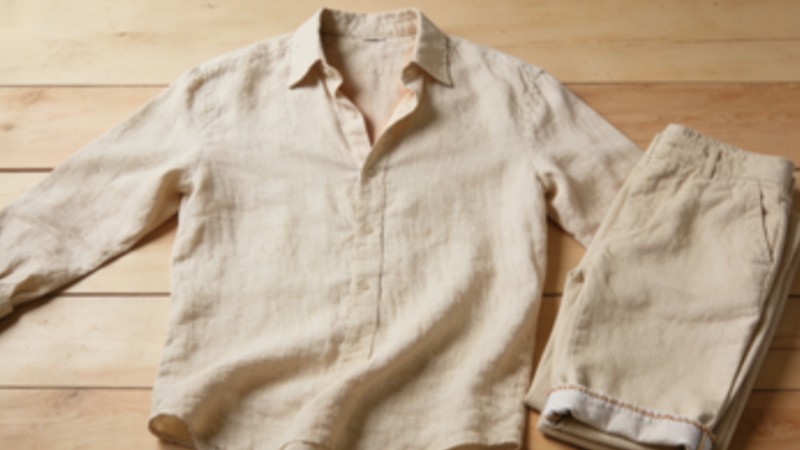
The choice between linen and cotton is a fundamental decision in textile specification, impacting thermal regulation, durability, and lifecycle cost. Both natural cellulosic fibers offer distinct performance profiles derived from their unique botanical structures and processing methods. This analysis provides a systematic comparison to inform optimal material selection for apparel and home textiles.
Fiber Origin and Structural Properties
Linen originates from the flax plant's stalk (Linum usitatissimum), producing long, thick fibers with pronounced nodes. Cotton is harvested from the seed boll of the Gossypium plant, resulting in shorter, finer, and more convoluted fibers. This fundamental difference dictates their behavior. Linen's hollow, polygonal fibers facilitate superior air permeability, while cotton's twisted, ribbon-like structure provides a softer initial hand feel and greater fiber cohesion during spinning.
Performance Comparison: Key Parameters
Evaluating linen vs cotton requires assessing several critical performance metrics. The following table summarizes the primary technical differences.
| Parameter | Linen | Cotton |
|---|---|---|
| Breathability & Moisture Wicking | Exceptional. Hollow fibers and high porosity allow rapid vapor transmission and heat dissipation. | High. Good absorbency, but slower drying time can lead to dampness retention. |
| Thermal Regulation | Superior cooling effect; ideal for high-heat, low-humidity environments. | Effective insulator; can feel cool but less actively cooling than linen. |
| Tensile Strength & Durability | Higher when dry; strengthens when wet. Resilient to abrasion but prone to sharp creasing. | Strong when dry; loses up to 20% strength when wet. More resistant to wrinkling than linen. |
| Long-Term Wear & Pilling | Minimal pilling; becomes softer and more lustrous with repeated washing. | Moderate pilling potential, especially in shorter-staple varieties; softness may degrade. |
Is Linen More Breathable Than Cotton for Summer?
In terms of pure air permeability and conductive cooling, linen exhibits higher breathability than cotton. Its loose weave structure and fiber morphology allow for greater airflow, making it the technically superior choice for managing perspiration in hot, dry climates. For summer applications where core body temperature management is critical, linen's performance is often unmatched. Cotton remains an excellent, more versatile option for general warm-weather wear due to its widespread availability and softer drape.
Considerations for Humid Climates
In high-humidity conditions, linen's rapid moisture-wicking can provide a perceived cooling effect as sweat evaporates quickly from the fabric surface. Cotton, while absorbent, may retain moisture longer, leading to a damp, clingy sensation. For humid summers, linen or specific high-thread-count cotton weaves like voile are recommended.
Durability of Linen Compared to Cotton
The durability of linen compared to cotton is superior in terms of tensile strength and abrasion resistance. Linen fibers are among the strongest natural fibers, and their strength increases when wet—a key differentiator. This makes linen ideal for items subjected to frequent washing and friction, such as table linens, towels, and workwear. Cotton's durability is highly dependent on staple length; long-staple varieties like Pima or Egyptian cotton offer excellent durability, but standard upland cotton may show wear more quickly under heavy use.
Cotton Linen Blend: Pros and Cons
Blending cotton and linen is a common practice to engineer a fabric that mitigates the weaknesses of each component. The typical blend ratio falls between 55% linen/45% cotton to 50/50.
Advantages:
Improved drape and reduced wrinkling compared to pure linen.
Retains a significant portion of linen's breathability and texture.
Softer initial hand feel, accelerating the break-in period.
Often more cost-effective than 100% linen.
Disadvantages:
Compromises the peak cooling performance and moisture-wicking of pure linen.
May not achieve the full long-term softening trajectory of pure linen.
Blend consistency and quality can vary significantly between manufacturers.
Cost Difference Between Linen and Cotton
The cost difference between linen and cotton is substantial, with linen typically commanding a premium of 50-100% over comparable quality cotton. This is driven by a more complex, labor-intensive harvesting and retting process for flax, lower global yield per acre, and often smaller-scale production. While high-end, long-staple cottons can approach mid-range linen prices, premium linen remains at the top of the natural fiber cost hierarchy. The investment is often justified by linen's extended lifespan and unique performance characteristics.
Making the Informed Selection
The optimal choice in the linen vs cotton debate is not universal but application-specific. Specify pure linen for maximum breathability in hot climates, long-term textile investments, or where a distinctive textured aesthetic is desired. Choose high-quality cotton for projects requiring superior softness, printability, and lower initial cost. Consider a cotton linen blend as a strategic compromise, offering improved wrinkle resistance and a balanced performance profile. The decision ultimately hinges on weighting the parameters of thermal management, tactile requirements, lifecycle durability, and budget.
Frequently Asked Questions
Which fabric is more environmentally friendly, linen or cotton?
Linen generally has a lower environmental impact. Flax requires less water and pesticides than conventional cotton and utilizes more of the plant. Organic cotton, however, significantly reduces the ecological footprint of cotton production.
Does linen or cotton shrink more?
Both can shrink if improperly cared for. Linen has minimal shrinkage (around 3-4%) when pre-washed, while cotton, especially non-pre-shrunk varieties, can shrink significantly more—up to 5-10% on the first wash.
Is linen or cotton better for bedding?
For hot sleepers, linen is superior due to its breathability and moisture-wicking. For those prioritizing softness and a crisp feel, high-thread-count cotton percale or sateen may be preferable. A blend can offer a middle ground.
How should I care for linen versus cotton?
Both benefit from cool or warm machine washing and gentle drying. Linen can be tumble-dried on low but air-drying is ideal to prevent harsh wrinkling. Iron linen while slightly damp; cotton can be ironed at a higher heat setting.